
Last updated
How Do You Know When a Grease Trap Needs Pumping?
Grease builds up in layers, and once the FOG layer hits 25 percent of the tank's liquid depth, it's time to call. That threshold matters because a trap past that point stops separating grease from wastewater, and you get slow drains, odors, or a backup in the kitchen at the worst possible moment. Restaurants in Mountain View that run fryers heavy tend to hit that mark faster than a small cafe, and if you're weighing portable restroom rental for a remodel at the same time, the same crew can quote both. If you're not sure where your trap stands, septic pumping service crews can check the depth on a routine visit instead of waiting for a clog to tell you. Waiting too long costs more than it saves. A trap that overflows into the line can mean a shutdown, a health inspection flag, or a call for emergency septic service on a Friday night. Pairing your grease schedule with regular septic pumping on the rest of the property is the cheapest way to avoid surprises. We also handle interceptors for kitchens attached to event venues, banquet halls, and food trucks parked around Mountain View, the same crews that stock event restroom rental and festival restroom rental for those bookings.
What Does Grease Trap Pumping Cost in Mountain View?
Pricing depends on trap size, grease volume, and whether it's a scheduled visit or an emergency call. Commercial kitchens usually book a standing service window; septic-style pricing gives a reasonable comparison point for what a pump-out visit runs.
| service type | duration | typical range |
|---|---|---|
| septic/grease pump-out | day | $150 to $300 |
| septic/grease pump-out | weekend rush | $50 to $150 add-on |
| service fee (routine) | week | $30 to $220 |
| service fee (monthly contract) | month | $100 to $300 |
Ask about a standing contract if your kitchen runs high grease volume, and check septic tank pumping cost or dumpster rental cost if a remodel means both services land on the same invoice. Full septic tank pumping cost details and grease trap pumping scheduling both run through the same dispatch, so bundling is easy if you also need holding tank rental for a temporary setup during a remodel.
Why Hire a Commercial Grease Trap Pumping Service Instead of DIY?
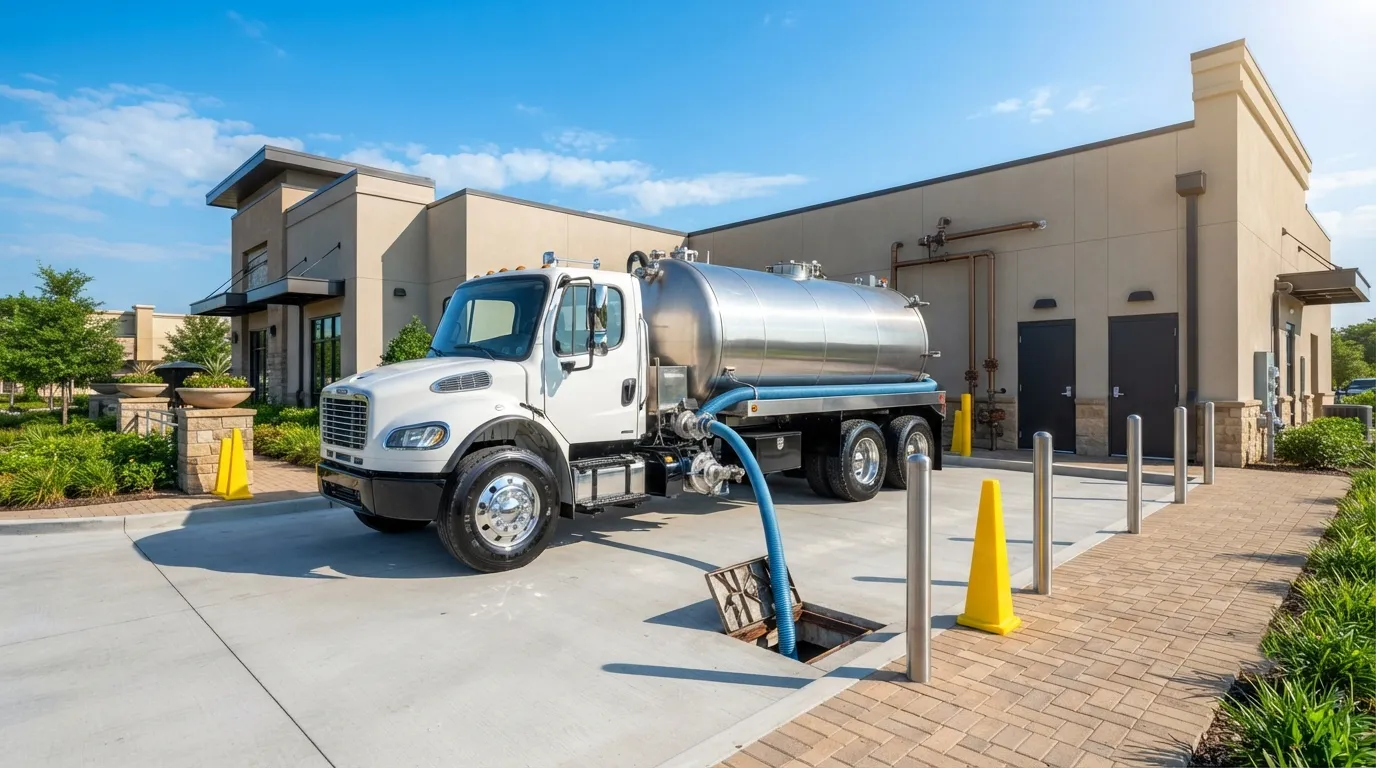
Grease waste is regulated differently than gray water, and pumping it out wrong risks a clogged line or a fine from the sewer authority. Commercial grease trap pumping means proper transport and disposal, not just sucking sludge into a barrel, the same standard we hold for roll-off dumpster rental and construction dumpster rental debris hauls. Mountain View Porta Pros trucks are set up for that job specifically, separate from the trucks doing septic tank cleaning on residential tanks, which typically get pumped every 3 to 5 years depending on tank size and household size. A grease trap runs on a much tighter clock, closer to how fast a jobsite needs porta john rental turned around than how often a homeowner calls for how often to pump a septic tank guidance. If your kitchen is near Martinez, 1.3 miles south of Mountain View, or out toward Vine Hill, 1.9 miles east, we route those calls the same day when the schedule allows. Emergency grease trap pumping exists for exactly the situation where a trap overflows mid-shift and the kitchen can't open until it's cleared. That call doesn't wait for a routine slot, the same urgency behind emergency porta potty rental when a jobsite can't stop working. We also support the sanitation side of the same job sites: handwashing station rental for temporary kitchen setups, and portable sink rental units that meet 29 CFR 1910.141(d)(2), which requires soap and towels or a hand-drying device at any handwashing station, not sanitizer alone, and kitchens weighing a full remodel often add storage container rental or a mobile office trailer rental for the crew on site.
How often should a commercial kitchen schedule grease trap pumping?
Most kitchens need pumping every 1 to 3 months, timed to how much fryer and dishwashing volume runs through daily. High-volume kitchens near the Mountain View core often land on a monthly contract instead of guessing, similar to how a busy jobsite settles into monthly porta potty rental rather than booking day by day.
Is grease trap pumping different from septic pumping?
Yes. A grease trap separates FOG from wastewater and fills faster than a septic tank. A septic tank holds household waste and typically only needs pumping every 3 to 5 years, per standard guidance on tank sizing, while a jobsite bathroom question like how many porta potties do I need runs on a totally different schedule.
Can Mountain View Porta Pros handle an emergency grease trap overflow?
Yes, emergency grease trap pumping is available when a trap backs up mid-service. Call as soon as you notice slow drains or odor, since waiting risks a full shutdown and a possible sewer authority violation, the same reasoning behind booking temporary fence rental or a light tower rental before a site goes dark instead of after.
Do you serve kitchens outside Mountain View proper?
Yes. We route calls toward Martinez, Vine Hill, Pleasant Hill, and other nearby areas. Check service areas for coverage, or request porta potty rental in Mountain View if you need sanitation alongside the grease service.
What happens to the grease after it's pumped?
It's transported and disposed of through licensed channels, not dumped with regular wastewater. That's the core difference between commercial grease trap pumping and a standard septic pumping service call.

Next step
Get a delivery date
Tell us the address, the dates and the headcount. We size the order and confirm the route.