
Last updated
What does OSHA actually require for handwashing on a job site?
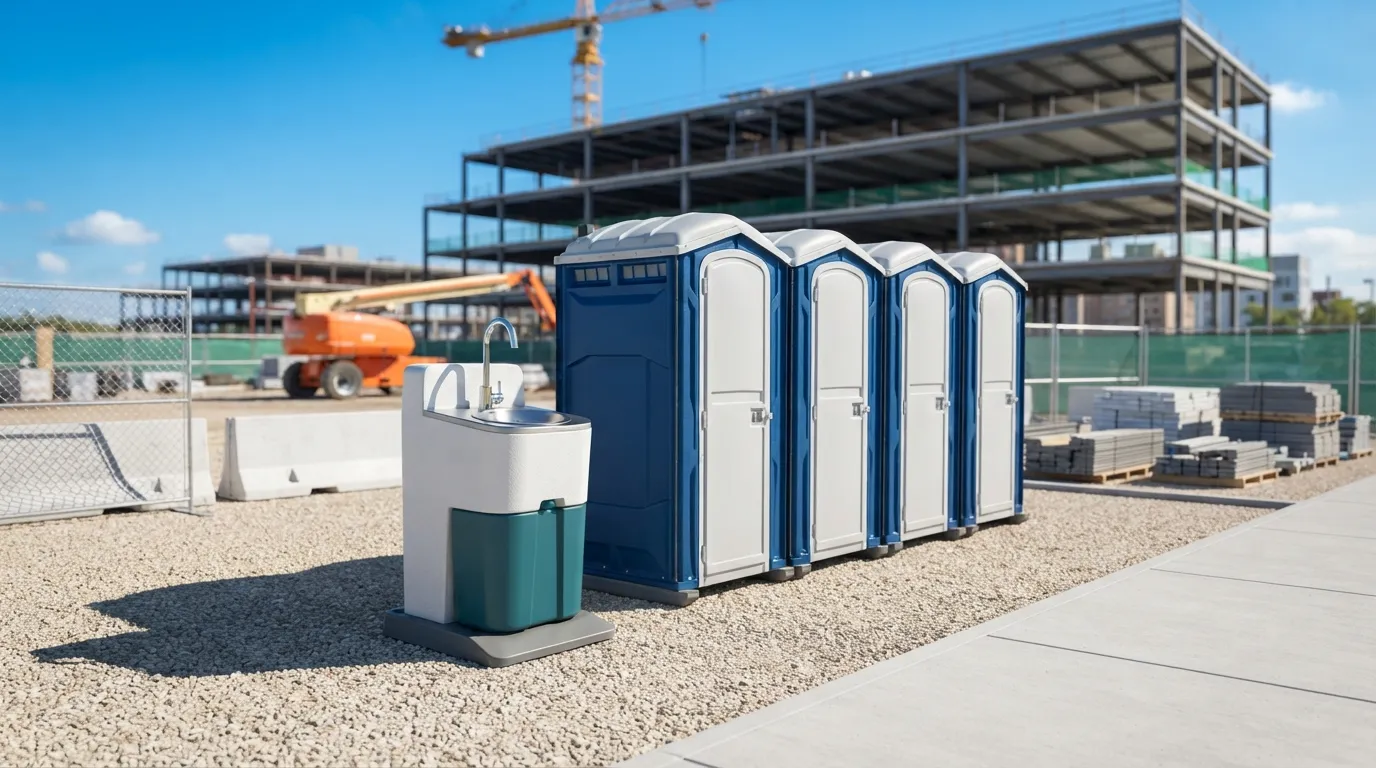
The rule people misquote most is 1926.51(f)(1). It does not apply to every construction site by default. It kicks in specifically where employees are applying paints, coatings, herbicides or insecticides, or working around other harmful contaminants. If your crew on a Mountain View remodel is spraying finish or treating lumber, you need washing facilities on hand, not just toilets. Separately, 29 CFR 1910.141(d)(2) says washing facilities must be stocked with soap and towels or a hand-drying device. That standard is written for general industry workplaces, but the expectation carries over to any crew that wants to run a clean site. Sanitizer gel does not meet either standard because neither rule treats sanitizer as a substitute for soap and water. Mountain View Porta Pros sets up handwashing station rental units alongside temporary power pole and light tower rental equipment on active builds, and pairs them with portable sink rental units when a crew needs a dedicated basin instead of a shared trough station.
How many handwashing stations do I need for my crew?
There is no separate headcount ratio for handwashing stations the way there is for toilets. OSHA 1926.51(c) sets toilet ratios at one unit for 20 workers or fewer, then one toilet seat and one urinal per 40 workers once headcount climbs past that, and one per 50 once you pass 200 workers. Most crews in Mountain View pair a handwashing station with each toilet cluster so workers do not walk far between the two. If you are scoping a job near Martinez, 1.3 miles south, or Vine Hill, 1.9 miles east, our dispatch treats both the same way: count your peak-hour headcount, then check the toilet ratio on our how many porta potties do I need guide before you order stations. Agricultural operations follow a different rule entirely. OSHA 1928.110 requires field sanitation with potable water, toilets and handwashing within a quarter mile walk, at one facility per 20 hand-labor employees, which matters for farm and agricultural restrooms work outside the city core.
Where should handwashing stations be placed on site?
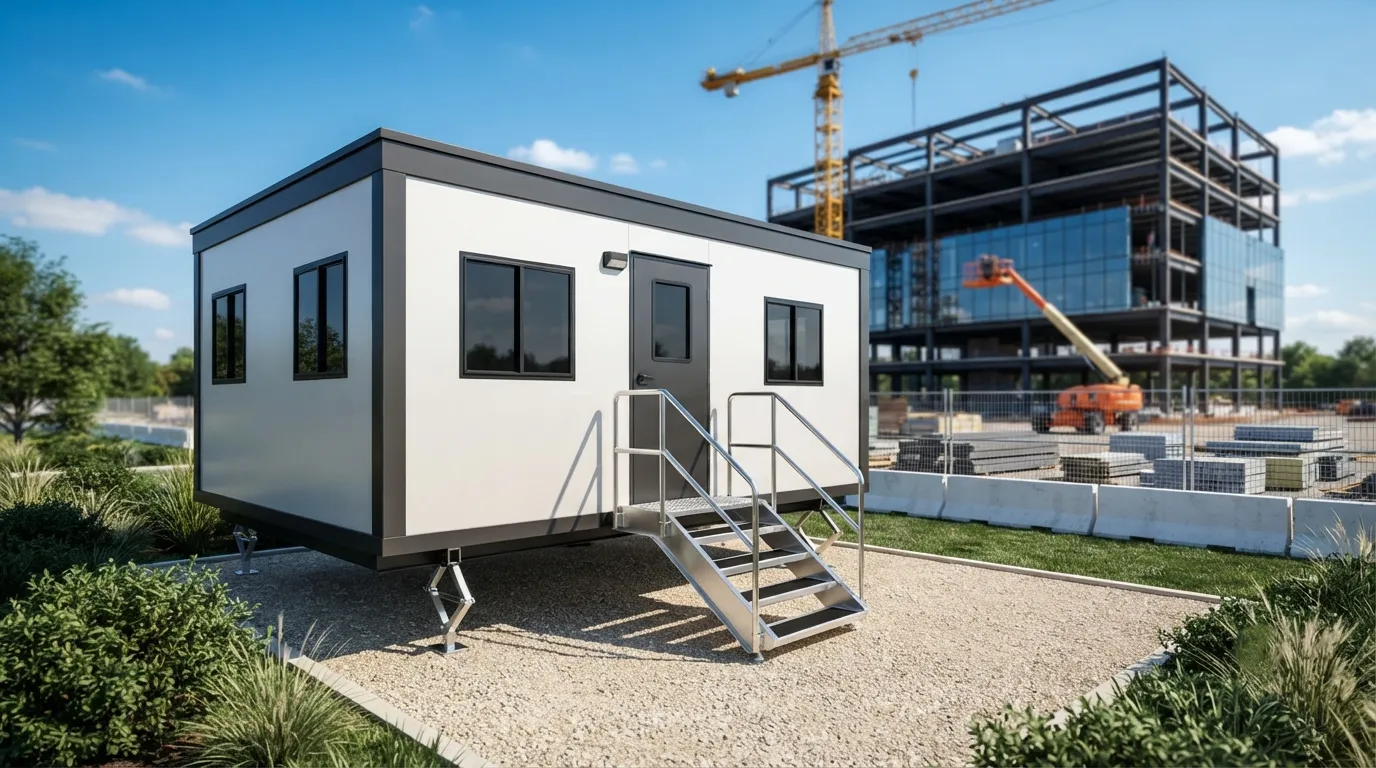
Placement rules borrow from ADA guidance even on sites without a public accessibility requirement, because it is good practice and it keeps you ahead of any inspection. ADA Standards 403.5.1 calls for a 36 inch clear route to the unit, and 404.2.3 sets minimum door opening width at 32 inches where doors are part of the setup. If you are clustering multiple portable toilets and a handwashing station together, ADA 213.2 requires at least 5 percent of clustered single-user units to be accessible, never fewer than one. Ground under the station needs to be stable and firm per ADA 302.1, not loose gravel or soft turf that shifts under a wheelchair. Our crews check clearance before we drop anything, and we route delivery trucks the same way we do for a roll-off dumpster rental, since a roll-off delivery needs about 60 feet of straight clearance behind the truck. Right-of-way placement in Mountain View needs confirming with the city before you set a station on a sidewalk or street frontage; we do not guess at that one.
Does my event or job site need handwashing separate from toilets?
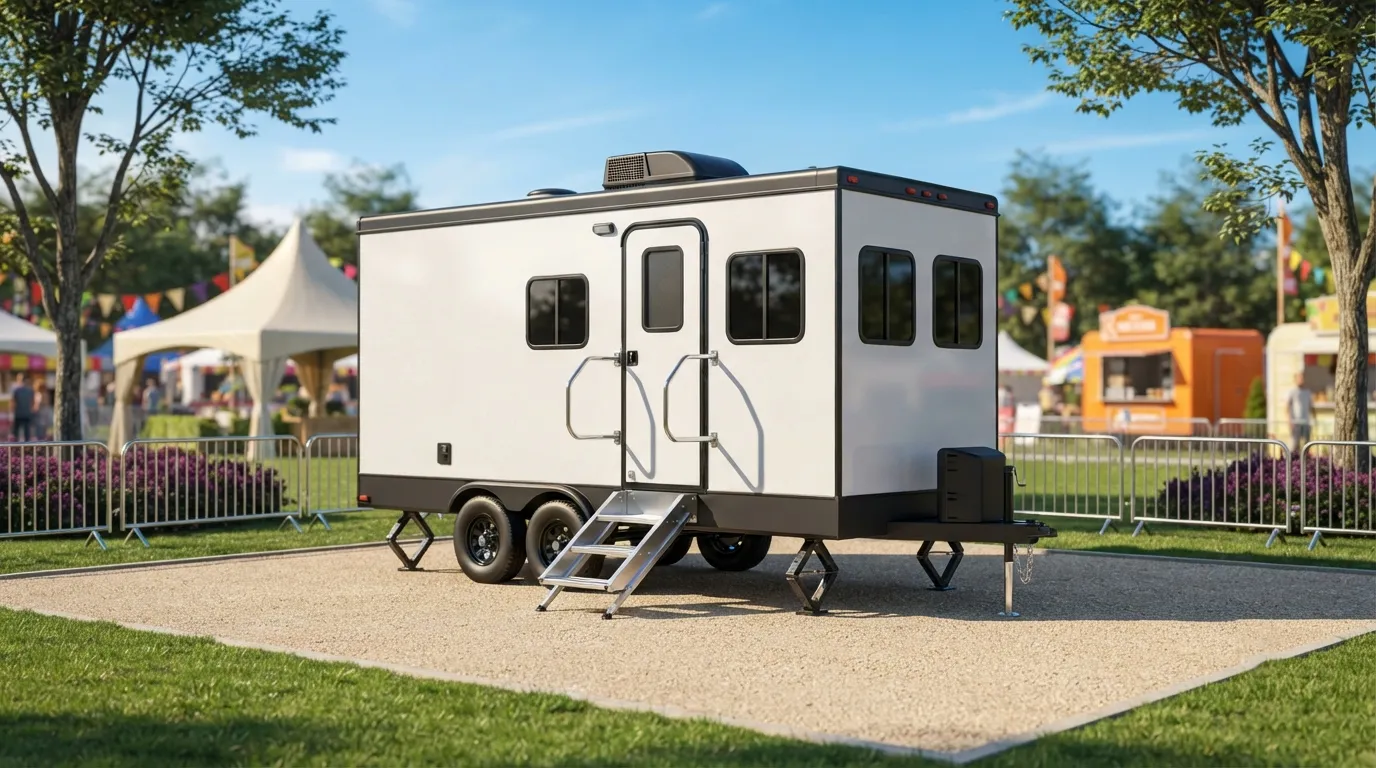
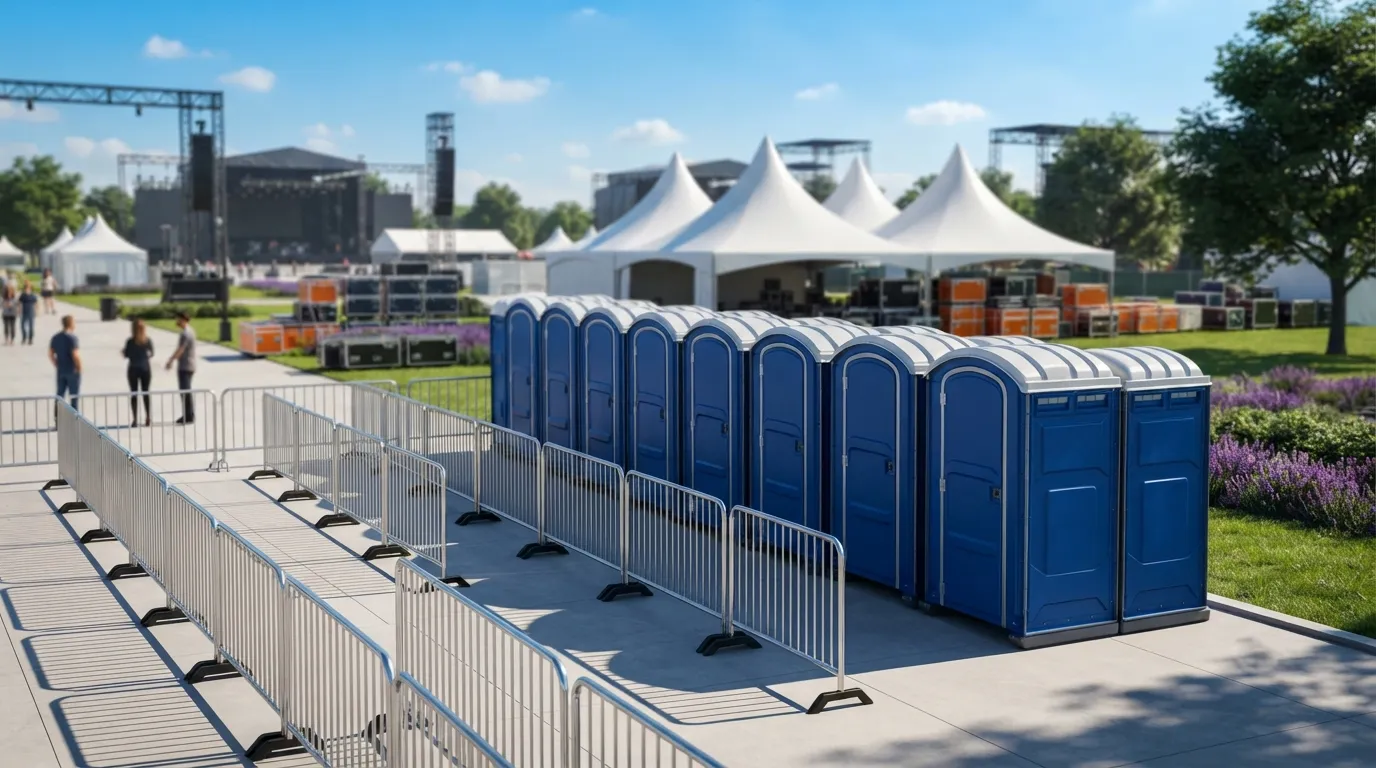
Yes, in most practical setups, even though the letter of OSHA's construction rule only forces the issue under contaminant conditions in 1926.51(f)(1). A general worksite still needs potable water under 1926.51(a)(1), and pairing that water source with a dedicated wash basin keeps you compliant with the spirit of 29 CFR 1910.141(d)(2) even outside general industry settings. Events are a different case. A wedding, festival or county fair in Mountain View typically wants a wash station near food service regardless of any specific citation, because guests expect it and caterers often require it. We supply these alongside event restroom rental packages, wedding restroom rental setups, and festival restroom rental orders, and we scale station count the same way we scale ADA accessible porta potty units, based on expected guest flow rather than a fixed formula. Film sets booking through film set restroom rental usually request stations near catering trucks specifically, separate from the restroom cluster.
Pricing for handwashing stations and related equipment
| item | duration | typical price |
|---|---|---|
| handwashing station | day | ask for current rate |
| standard porta potty | day | $150 |
| standard porta potty | week | $200 |
| standard porta potty | month | $200 |
| delivery fee | day | $150 |
See full detail on porta potty rental cost and monthly porta potty rental if you are bundling a station with a toilet order. Most Mountain View customers order both together, and delivery for a combined order still runs one trip, one fee.
What is the difference between a handwashing station and a hand sanitizer station?
A handwashing station has running water, soap and towels or a dryer, meeting 29 CFR 1910.141(d)(2). A hand sanitizer station rental unit dispenses gel only, with no water source. Sanitizer stations work as a supplement, never a replacement, when the job involves contaminants covered by 1926.51(f)(1).
Do I need a handwashing station if I already have a deluxe flushable unit?
Often not, since a deluxe flushable porta potty usually includes an internal sink. Confirm the sink has soap and towel supply before skipping a separate station. Standard units without sinks still need a paired handwashing setup nearby for compliance.
Can I rent just one handwashing station for a small crew?
Yes. Small crews under 20 workers on a short Mountain View job often rent a single station alongside one standard porta potty rental unit. Check our porta potty rental per day page for short-term rates before committing to a longer term.
What happens if I only provide hand sanitizer instead of soap and water?
You are not meeting 29 CFR 1910.141(d)(2), which specifically requires soap and towels or a drying device. An inspector citing this standard will not accept sanitizer as the substitute. Order an actual handwashing station rental unit instead, especially for painting or coating work.
Do agricultural sites near Mountain View follow different rules?
Yes. OSHA 1928.110 governs field sanitation for hand-labor agricultural work, requiring potable water, toilets and handwashing within a quarter mile walk, at one facility per 20 employees. This differs from the construction ratio in 1926.51(c) and applies specifically to farm operations, not general job sites.
Next step
Get a delivery date
Tell us the address, the dates and the headcount. We size the order and confirm the route.