
Last updated
How Often Does a Septic Tank Need Cleaning?
The honest answer: it depends on how many people live in the house and how big the tank is. A small tank serving a big family might need attention closer to the 3-year mark. A large tank with two occupants can stretch toward 5 years without trouble. This range comes straight from tank size and household load, not a one-size number anyone can quote you over the phone. If you are on a private well and septic system in Mountain View, mark your calendar rather than guessing, and bookmark our septic pumping service page for reference, or browse the full Septic Pumping Service in Mountain View, CA options. Waiting for a smell or a slow drain means the tank is already past due. Mountain View Porta Pros can look at your tank size and usage pattern and give you a realistic pumping window instead of a generic answer. For anyone dealing with a slow system right now, our septic pumping service page covers what a same-week visit looks like, and our septic tank warning signs guide walks through what to watch for between now and your next scheduled pump.
What Affects Septic Tank Cleaning Frequency?
Three things move the needle: tank size, household size, and how much water goes down the drain. A 1,000 gallon tank serving six people works harder than the same tank serving two. Garbage disposals, long showers, and laundry all add volume the tank has to process. None of that is exotic information, it is just math most homeowners never sit down and do. If you run a business with a grease-heavy kitchen instead of a house, the math is different entirely. Grease interceptors get pumped when fats, oils, grease and solids reach 25 percent of the liquid depth, which happens a lot faster than a household tank fills. Restaurants and commercial kitchens in Mountain View should check our grease trap pumping page for that separate schedule, and any kitchen remodel that also needs construction site services can bundle both under one visit. Homeowners who want a written baseline instead of a guess can start with septic tank cleaning or check current septic tank pumping cost numbers before booking.
What Does Septic Pumping Cost in Mountain View?
Pricing depends on tank access, tank size, and whether it is a routine visit or an emergency call. Here is what a standard job looks like:
| Service | Price Band |
|---|---|
| Septic pumping, standard day rate | $150 to $300 |
| Septic pumping, weekend rate | $50 to $150 |
Weekend pricing on septic work tends to run lower than a full weekday visit in our data, so if your schedule is flexible, ask about timing. These numbers are typical ranges, not quotes, since tank depth and site access change the job. A tank buried under a deck costs more labor than one with a clear lid, similar to how a dumpster rental cost changes with site access. If your situation is urgent, our emergency septic service page has details on faster turnaround. Homeowners weighing a full system replacement against another pump-out should also look at holding tank rental as a temporary option while repairs happen.
Why Should Mountain View Homeowners Track This Schedule?
Because a full tank does not fail quietly. It backs up into the house, usually at the worst possible time, and the repair bill dwarfs the cost of routine pumping. Tracking your last pump date is the cheapest insurance you can buy for a septic system, the same way tracking service intervals matters for a portable restroom rental on a busy job site. Martinez sits about 1.3 miles south of Mountain View, and homeowners there deal with the same tank math, same soil, same reason to keep a maintenance log. Vine Hill, 1.9 miles east, and Pleasant Hill, 7.1 miles southeast, are close enough that Mountain View Porta Pros services all of them on the same routes. If you are building an addition or doing a major renovation that adds bathrooms, your household load changes and your pumping interval should be reconsidered, not left on autopilot. Our home renovation porta potty page covers temporary restroom needs during that kind of project, and how often septic tank pumping style questions come up constantly during permit-driven remodels, right alongside questions about storage container rental for holding fixtures and materials. For general sanitation standards on a job site with workers present, OSHA 1926.51(c) sets toilet facility ratios that apply once you have a crew on site, separate from your home septic schedule entirely.
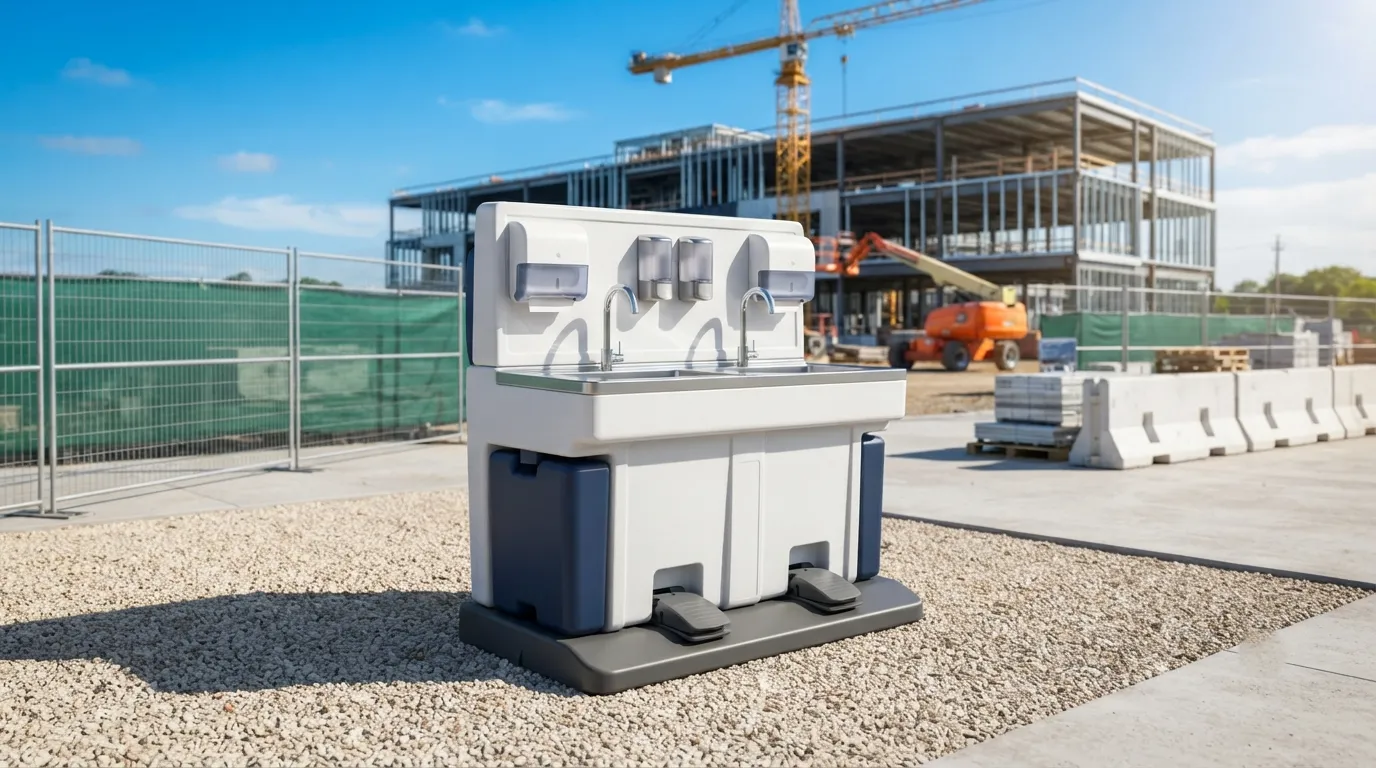
If you are unsure whether your tank is due, do not wait for a warning sign to force the issue. A short call to Mountain View Porta Pros beats a Saturday morning backup. We also handle related site needs if your renovation or property work stretches beyond the septic system itself, including roll-off dumpster rental for cleanup debris, temporary fence rental if the excavation needs to be cordoned off from foot traffic, and handwashing station rental for crews working near the tank.
How do I know my septic tank is full?
Slow drains, gurgling pipes, and standing water near the drain field are the usual signs. A sulfur smell indoors or outdoors is another. Do not wait for sewage backup to confirm it. Check our septic tank warning signs page for the full list before it becomes an emergency, or review septic tank cleaning for what a full-service visit includes.
Does household size really change the pumping schedule?
Yes. A tank sized for a couple fills much slower than the same tank under a family of five. More people means more water, more waste, and a shorter interval between pump-outs. This is the biggest variable in the 3 to 5 year range.
Can I extend the time between pumpings?
Somewhat. Cutting garbage disposal use, spacing out laundry loads, and fixing leaks all reduce tank load. None of that replaces a scheduled pump entirely, it just stretches the interval closer to the 5-year end instead of the 3-year end.
Is a grease trap the same as a septic tank?
No. A grease trap is pumped based on fat and solid buildup reaching 25 percent of liquid depth, which happens far more often than septic pumping. Restaurants need a separate, more frequent schedule, closer in cadence to the weekly visits described under ANSI/PSAI Z4.3 for portable sanitation. See grease trap pumping for specifics.
What happens during a pumping visit?
A truck accesses the tank, removes accumulated solids and liquid, and checks for issues like cracks or root intrusion. Most routine visits are straightforward. If access is difficult, mention that when booking through request a quote so the crew comes prepared.
Next step
Get a delivery date
Tell us the address, the dates and the headcount. We size the order and confirm the route.